
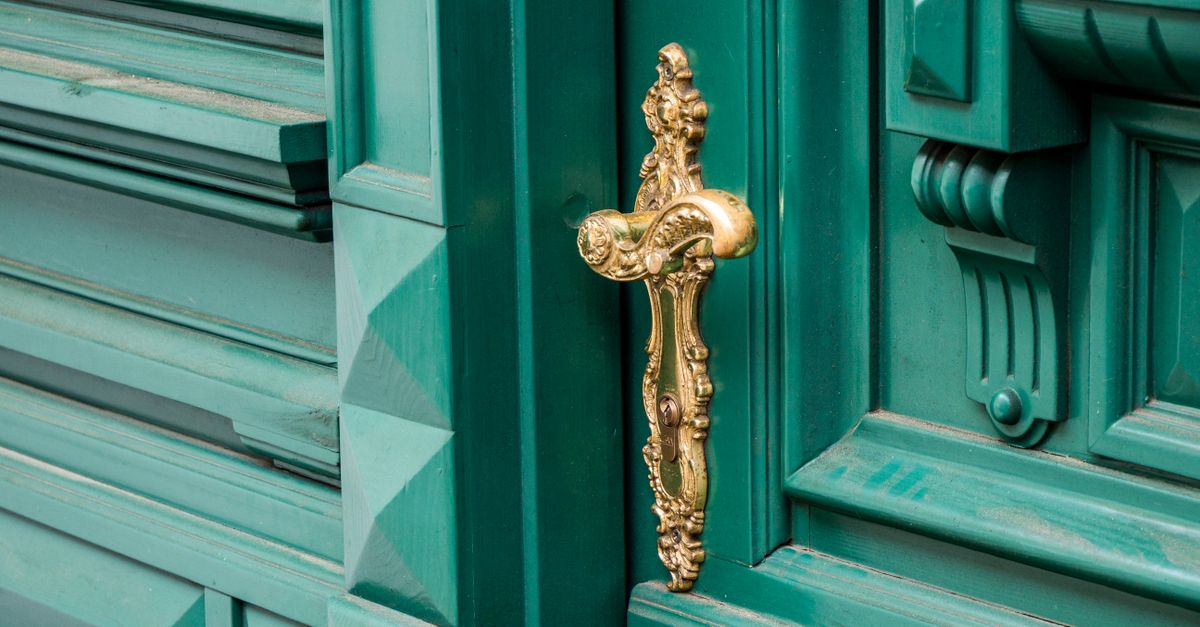
What Is a Mortise Lock — and Why Gary Homes Have So Many of Them
A mortise lock is a self-contained locking mechanism that lives inside a rectangular pocket machined into the door itself. Unlike a standard cylindrical lock that threads through a single bored hole, a mortise lock set integrates the latch bolt, deadbolt, and sometimes a privacy function all within one steel case. That design made it the preferred choice for residential and commercial construction from roughly the 1890s through the mid-20th century — precisely the building period that defines most of Gary's established neighborhoods. When U.S. Steel was expanding and workers were flooding into the Miller Beach area and the Aetna neighborhood, contractors were installing mortise hardware on nearly every door. The result today is thousands of aging but repairable locks that just need skilled attention rather than full door replacement.
Recognizing a mortise lock is straightforward: look for a large, rectangular faceplate on the door edge (usually 7–8 inches tall), an oval or round escutcheon plate on both sides of the door face, and a keyway that sits above or below a separate turn-knob or lever. If your door was built before 1970 and you've never changed the hardware, there's a strong chance you have a mortise lock — and an equally strong chance it's a quality piece of hardware worth repairing rather than discarding.