Garage Door Lock Repair & Replacement: What the Job Actually Involves
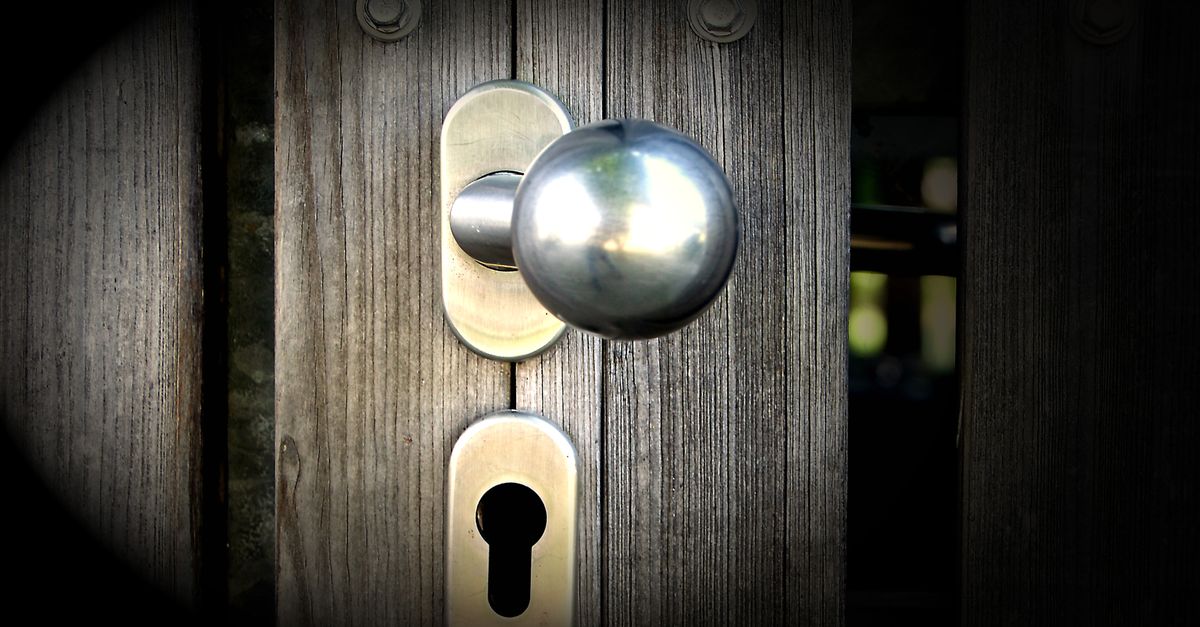
Garage door locks are more mechanically complex than most interior door locks. The locking mechanism must align with a moving door — one that shifts seasonally, wears on its tracks, and is regularly pounded by vehicles pulling in and out. A lock that worked fine last spring may bind, stick, or fail to engage by fall. Common failure points include broken T-handle shafts, corroded deadbolt barrels, stripped keyway cylinders, and damaged strike plates or receivers on the door frame. In cases where the door itself has warped or shifted off-track, our technicians assess whether the hardware or the alignment is the root cause — because installing a new lock on a misaligned door is money wasted.
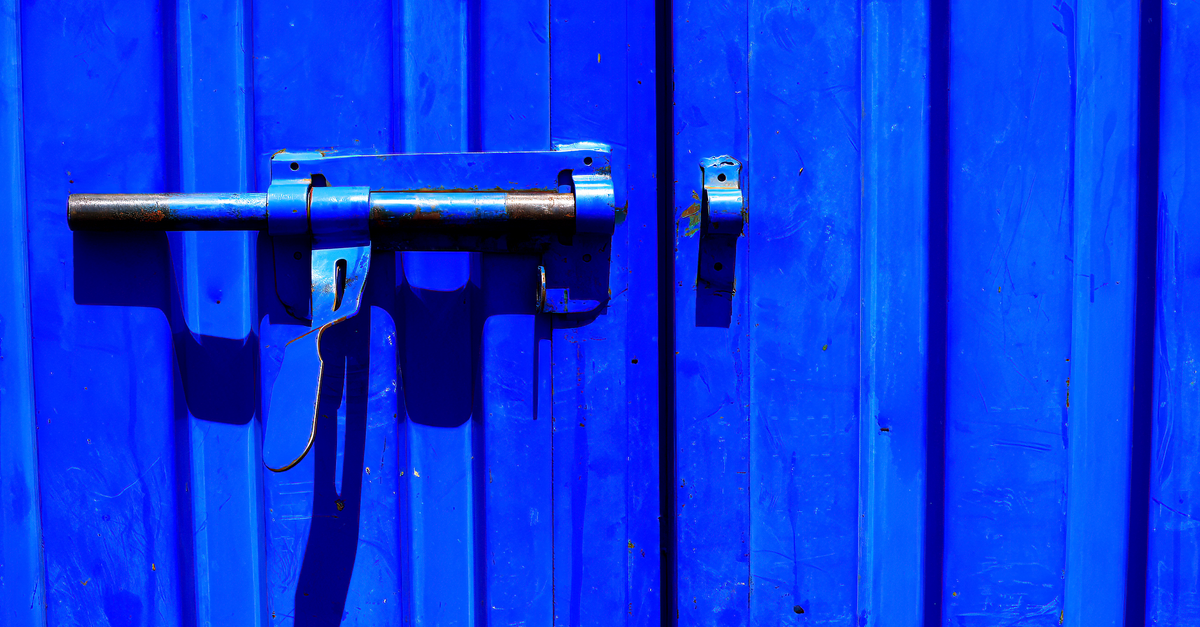
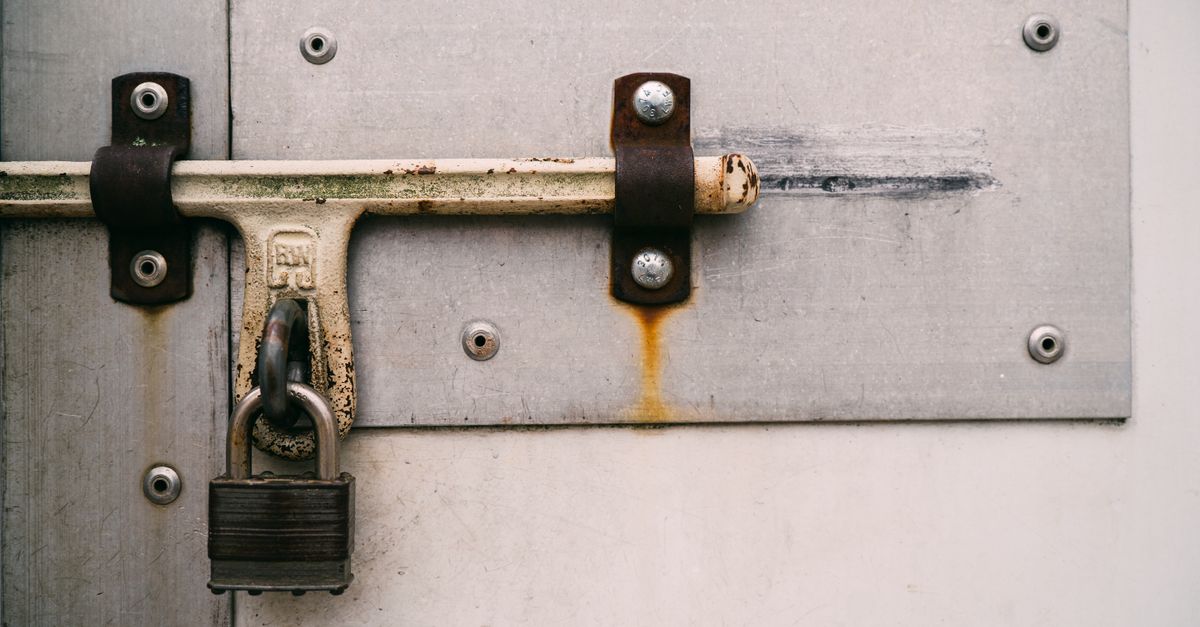
For residential garages, the most common work orders we handle are deadbolt replacement, T-handle lock replacement, and door lock installation for garages that were previously secured only by the automated opener. For commercial properties — warehouses, auto shops, and storage facilities common throughout the Gary industrial belt — the jobs typically involve sliding door lock replacement on large bay doors, mortise lock installation on side-entry commercial doors, and rekeying after employee turnover. Every job is approached with damage-free technique where the existing door, frame, and hardware are concerned; we don't pry, hammer, or force when precision tools and proper technique will do the work cleanly.